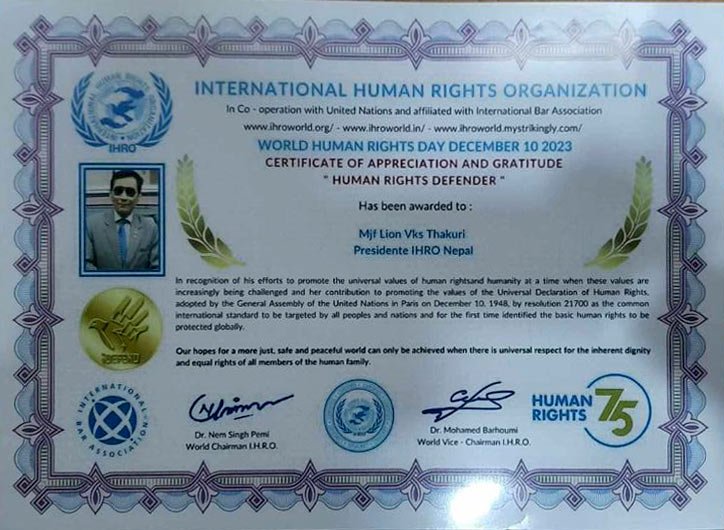

International human rights refer to a set of universally recognized principles and standards that are designed to protect and promote the inherent dignity and rights of all individuals, regardless of their nationality, ethnicity, gender, religion, or any other characteristic. These rights are enshrined in international agreements and treaties, the most prominent of which is the Universal Declaration of Human Rights adopted by the United Nations in 1948.
Civil, political, economic, social, and cultural rights: Human rights encompass a wide range of rights, including civil and political rights (e.g., freedom of speech, the right to vote), as well as economic, social, and cultural rights (e.g., the right to education, the right to health).
The promotion and protection of international human rights are essential for creating a just and equitable world, where individuals can live free from discrimination, oppression, and violence, and where they have the opportunity to lead dignified lives with access to basic necessities and opportunities for personal development. Human rights violations are subject to condemnation and intervention by the international community, with the aim of upholding these fundamental principles and values.